Liquid Botanical Extracts for Skincare & Cosmetic Formulation
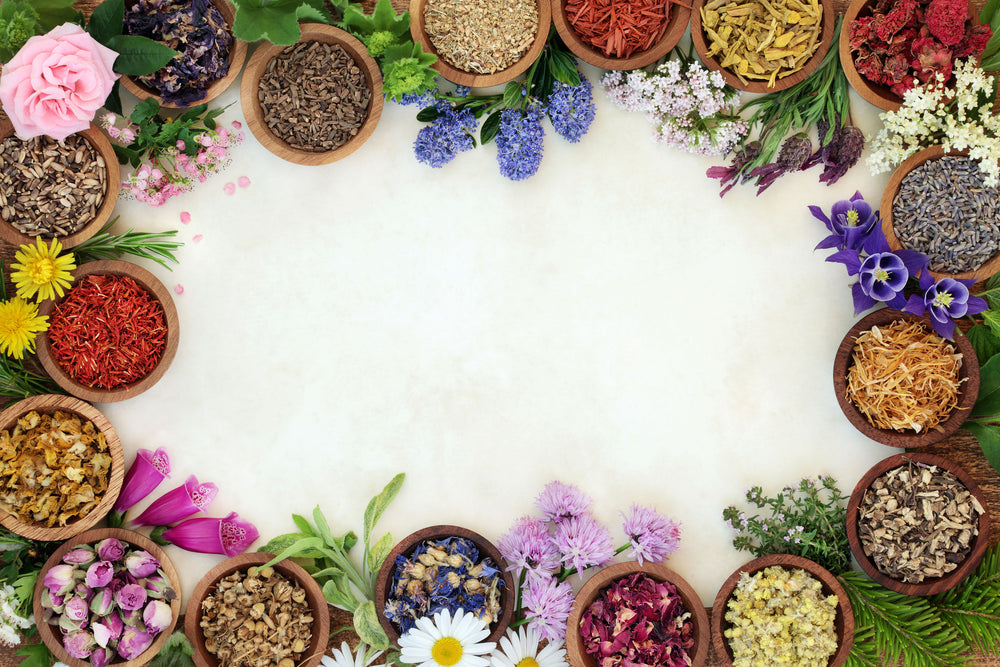
Liquid botanical extracts offer a convenient way to incorporate plant-derived constituents into skincare, haircare, and personal care formulations. Produced using various extraction and processing methods, these ingredients capture selected components of flowers, leaves, roots, fruits, seeds, and other botanical materials in liquid form.
Depending on the extraction method and carrier system, botanical extracts may contain naturally occurring polyphenols, flavonoids, sugars, organic acids, and other plant constituents that contribute to their cosmetic properties.
At Bulk Naturals Wholesale, our Liquid Botanical Extracts collection includes traditional herbal extracts and specialized botanical complexes for independent makers, small-batch brands, and professional formulators.
Understanding Liquid Botanical Extracts
Liquid botanical extracts are created by processing plant materials with suitable extraction media, such as water, glycerin, glycols, oils, or other solvents, to obtain selected botanical constituents.
The finished extract may contain additional ingredients that function as carriers, solubilizers, stabilizers, or preservatives.
Different extraction systems produce ingredients with different characteristics, making it important to select extracts according to the intended formulation.
Water-Soluble Botanical Extracts
These extracts are designed for incorporation into compatible water-based formulations, including toners, serums, lotions, gels, and emulsions. Their carriers may include water, glycerin, or glycols.
Oil-Soluble Botanical Extracts
Oil-soluble extracts are intended for compatible oil phases and anhydrous formulations, such as facial oils, balms, and selected conditioning treatments.
Specialized Botanical Complexes
Some liquid extracts combine botanical materials with specialized processing technologies or supporting ingredients to create functional cosmetic complexes.
Always review the individual product's INCI composition, solubility, and formulation guidelines before use.
Benefits of Liquid Botanical Extracts in Cosmetic Formulation
Liquid botanical extracts can contribute a range of cosmetic properties depending on their botanical source, composition, and concentration.
- Skin Conditioning: Selected extracts help support a softer, smoother, and more comfortable skin feel.
- Antioxidant Properties: Some botanical extracts contain compounds with antioxidant activity that may contribute to formulation or cosmetic performance.
- Appearance of Skin Tone: Certain extracts are used in products designed to promote a more even-looking complexion.
- Hydration Support: Extracts containing compatible humectant carriers or water-binding constituents may contribute to moisturizing formulations.
- Hair & Scalp Care: Botanical extracts can be incorporated into shampoos, conditioners, scalp serums, and hair treatments.
- Formulation Convenience: Pre-prepared liquid extracts eliminate the need for formulators to perform their own botanical extraction.
The benefits of an individual extract depend on its composition, concentration, and the finished formulation. Botanical origin alone does not establish a particular cosmetic effect.
Explore Popular Liquid Botanical Extracts
Discover a selection of botanical ingredients with different formulation applications and functional characteristics.
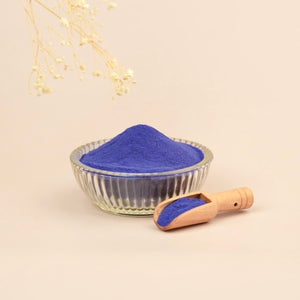
Blue Lotus Extract — A botanical extract inspired by the traditional use of blue lotus, suitable for selected skincare and personal care formulations according to its solubility and specifications.
Gotu Kola Extract — Derived from Centella asiatica, a botanical widely used in skin-conditioning formulations and products designed for a comfortable, healthy-looking complexion.
Chia Rejuvenation Extract — A specialized botanical ingredient used in cosmetic formulations developed for skin conditioning and appearance-focused benefits.
Papaya Enzyme Liquid — A papaya-derived specialty ingredient for selected cosmetic applications. Review the product's enzyme activity, solubility, and processing requirements before formulating.
Licorice Root Extract — A popular botanical ingredient in skincare formulations designed to support a more even-looking complexion and comfortable skin feel.
Each extract has its own formulation requirements. Consult individual product listings for INCI information, recommended usage levels, and compatibility guidance.
Choosing Between Water-Soluble & Oil-Soluble Extracts
Solubility is one of the most important considerations when selecting a liquid botanical extract.
For Water-Based Formulations
Choose extracts specifically designed for water-phase incorporation. These may be suitable for toners, hydrating serums, gels, and the water phase of creams or lotions.
For Oil-Based Formulations
Select oil-compatible extracts for facial oils, balms, massage blends, and other anhydrous products.
For Emulsions
Water-soluble and oil-soluble extracts may both be used in emulsified products, provided they are incorporated into the appropriate phase and are compatible with the overall formulation.
For Specialized Delivery Systems
Some botanical complexes use additional carrier or delivery technologies. Follow the manufacturer's specific incorporation instructions rather than assuming conventional extract behavior.
An extract's liquid appearance does not necessarily indicate its solubility. Always verify its composition and technical specifications.
Formulating With Liquid Botanical Extracts
Liquid extracts can simplify ingredient preparation, but successful incorporation still requires attention to formulation conditions.
1. Follow Recommended Usage Rates
Different extracts have different concentration ranges. Follow product-specific recommendations rather than applying a universal usage rate to all botanical extracts.
2. Check pH Compatibility
Some botanical constituents are sensitive to acidic or alkaline conditions. Confirm that the extract is compatible with the intended finished-product pH.
3. Consider Processing Temperature
Heat-sensitive botanical compounds may require addition during the cool-down phase of a formulation.
4. Review Preservation Requirements
Liquid extracts may contain water or other components that influence microbial stability. A preserved extract does not automatically preserve the finished cosmetic product.
5. Evaluate Color & Aroma
Botanical extracts can contribute natural color or odor, which may affect the appearance and fragrance of the finished formulation.
6. Conduct Compatibility & Stability Testing
Evaluate changes in color, odor, viscosity, separation, and overall stability when incorporating extracts into finished formulations.
Botanical Extracts vs. Isolated Cosmetic Actives
Botanical extracts and isolated cosmetic actives can both serve functional roles in skincare, but they differ in composition and standardization.
Botanical Extracts typically contain a mixture of plant-derived constituents obtained through an extraction process. Their composition depends on the botanical source, extraction method, and manufacturing specifications.
Isolated Cosmetic Actives are generally individual compounds or defined ingredient complexes selected for particular cosmetic functions, such as niacinamide, certain peptides, or ceramide blends.
Some botanical extracts are standardized to specific marker compounds, while others are supplied as broader botanical preparations.
Explore our Actives & Peptides collection for specialized cosmetic actives and our Botanical Extract Powders collection for concentrated extracts in powdered form.
Explore Complementary Formulation Ingredients
Liquid botanical extracts can be combined with a variety of other ingredients to create customized skincare and personal care formulations.
Explore our Carrier Oils & Botanical Infusions collection for emollient ingredients and traditional oil infusions, or discover our Botanical Extract Powders collection for alternative botanical formats.
For more advanced formulations, browse Actives & Peptides and Formulation Essentials to find additional functional ingredients and formulation components.
Whether you're developing a lightweight botanical serum, a conditioning hair treatment, or a sophisticated facial moisturizer, discover liquid extracts that support your formulation goals.