Cosmetic Clays & Natural Colorants for Skincare and Soapmaking
Cosmetic clays and naturally derived colorants offer a combination of functional and aesthetic possibilities for skincare, soapmaking, and personal care formulation. From mineral-rich clays used in facial masks to botanical pigments that introduce distinctive colors, these ingredients help formulators customize the appearance, texture, and performance of finished products.
At Bulk Naturals Wholesale, our Clays & Natural Colorants collection brings together cosmetic clays, mineral powders, activated charcoal, and selected colorants for independent makers, small-batch brands, and professional formulators.
Understanding Cosmetic Clays
Cosmetic clays are naturally occurring mineral materials valued for their absorbent properties, texture, and versatility in topical formulations.
Different clays have distinct mineral compositions and physical characteristics that influence their oil absorption, swelling behavior, color, and skin feel.
Common applications include:
- Facial Masks: Absorb excess surface oil and contribute to the texture and consistency of clay masks.
- Cleansers: Provide absorbent and textural properties in powder cleansers and specialty cleansing formulations.
- Soapmaking: Add natural color, texture, and visual interest to handcrafted soaps.
- Body Care: Incorporate mineral ingredients into body masks, scrubs, and specialty treatments.
- Dry Formulations: Create customizable powder masks and cleansing blends that are activated at the time of use.
Explore Popular Cosmetic Clays & Mineral Powders
Kaolin Clay — A fine-textured white clay commonly used in facial masks, powder cleansers, soaps, and formulations where a smooth skin feel is desired.
French Green Clay — A naturally colored mineral clay frequently incorporated into oil-absorbing masks, cleansing products, and botanical-inspired skincare.
Rhassoul Clay — Also known as Moroccan lava clay, rhassoul is used in traditional cleansing preparations, facial masks, and haircare formulations.
Bentonite Clay — A highly absorbent clay known for its swelling characteristics when hydrated, making it useful in selected masks and specialty formulations.
Pink Rose Clay — A softly colored clay often selected for gentle-feeling facial masks, soaps, and cosmetic products where a delicate pink appearance is desired.
Dead Sea Mud — A mineral-containing mud used in body treatments, masks, and spa-inspired skincare formulations.
Activated Charcoal — A porous carbon material commonly used for its adsorption properties and deep black appearance in cleansing products, soaps, and masks.
Natural Colorants for Cosmetic Formulation
Natural and naturally derived colorants allow formulators to introduce visual character into handcrafted skincare, soap, and personal care products.
Depending on their composition, these ingredients may provide earthy mineral tones, soft botanical shades, or more vibrant colors.
Mineral-Based Colorants
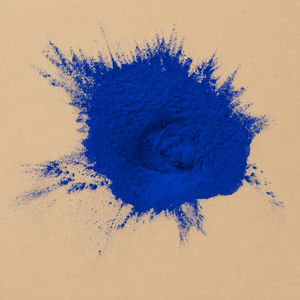
Mineral pigments and colored clays can contribute stable-looking earthy tones to soaps, masks, and selected cosmetic formulations. Their performance depends on particle size, composition, and compatibility with the finished product.
Botanical Colorants
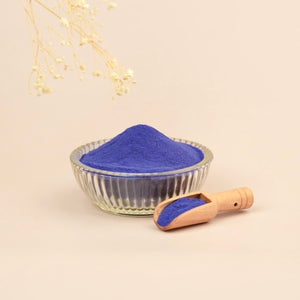
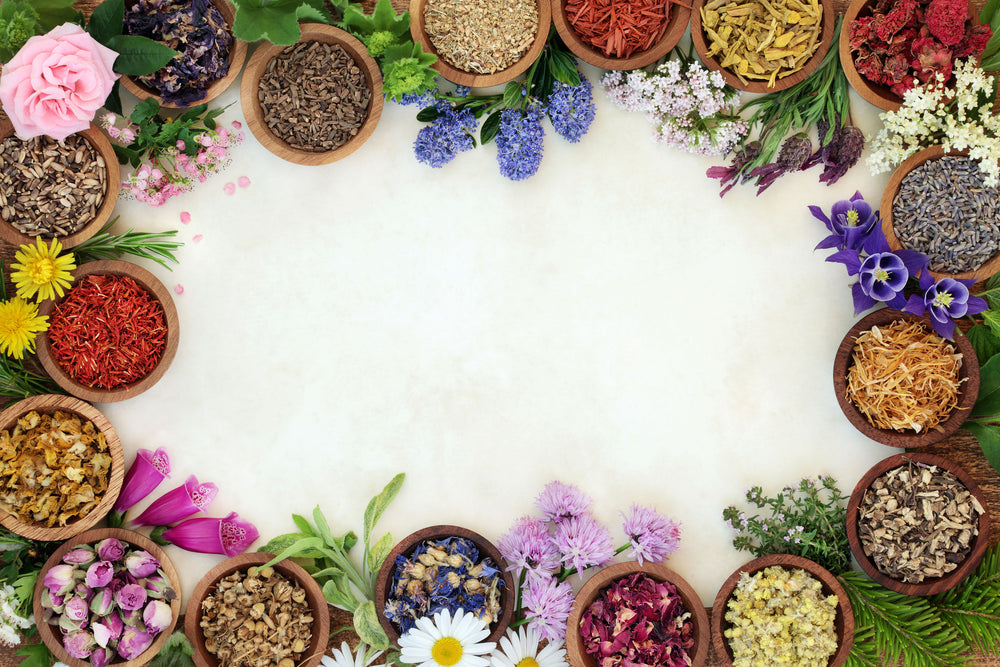
Plant-derived powders and extracts may contribute colors ranging from yellow and orange to green, red, and purple. However, botanical pigments can be sensitive to pH, heat, oxidation, and light.
Activated Charcoal
Activated charcoal provides a distinctive black or gray appearance and can be used in appropriate soap, mask, and cleansing formulations.
Not every naturally colored ingredient is approved for use as a cosmetic color additive. Always verify applicable regulations, permitted applications, and ingredient specifications before using a material primarily to color a finished cosmetic product.
Choosing the Right Clay for Your Formulation
Different cosmetic clays offer different absorbency, texture, and formulation characteristics.
1. Consider Oil Absorption
Highly absorbent clays may be useful in products designed for oily skin, while less absorbent clays may be preferred for formulations intended to feel gentler or less drying.
2. Evaluate Particle Size and Texture
Fine powders can create a smoother application experience, while coarser materials may contribute more noticeable texture.
3. Understand Hydration Behavior
Some clays, particularly swelling clays such as bentonite, can absorb significant amounts of water and influence the viscosity and consistency of a formulation.
4. Consider Natural Color
Clays vary in color depending on mineral composition and processing. Their natural appearance may influence the finished shade of masks, soaps, and other products.
5. Review Ingredient Compatibility
Clays may interact with other formulation components, including thickeners, surfactants, electrolytes, and preservatives. Compatibility testing is important when developing more complex products.
Formulating With Clays & Natural Colorants
Cosmetic clays and colorants can be incorporated into a wide range of formulations, but the appropriate method depends on the ingredient and finished product.
Dry Clay Masks
Combine compatible cosmetic clays with other dry ingredients to create customizable mask powders. Customers can mix a single-use portion with an appropriate liquid immediately before application.
Cream & Gel Masks
Disperse clays into a properly designed formulation, taking into account hydration behavior, viscosity, preservation, and ingredient compatibility.
Handcrafted Soaps
Selected clays and approved colorants can be incorporated into soap formulations to introduce natural-looking shades, visual patterns, and textural characteristics.
Bath & Body Products
Use suitable cosmetic-grade ingredients to create specialty bath products, body masks, and cleansing formulations.
Colorant Dispersion
Depending on the material, pigments may need to be pre-dispersed in water, oil, glycerin, or another compatible medium to achieve uniform distribution.
For water-containing products, use an appropriate preservation system and evaluate finished-product stability. Mixing dry clays with water creates a fresh preparation, not an automatically shelf-stable cosmetic product.
Quality, Safety & Formulation Considerations
When selecting cosmetic clays and natural colorants, consider the ingredient's intended use, purity specifications, particle size, and relevant regulatory requirements.
Naturally occurring mineral materials may contain trace impurities, making supplier documentation and appropriate quality testing important.
For cosmetic colorants, confirm that the specific material is permitted for the intended product category and market. Natural origin alone does not establish regulatory approval or suitability for every cosmetic application.
Always review individual product specifications and recommended usage guidance before formulating.
Explore Complementary Formulation Ingredients
Clays and natural colorants can be combined with a variety of other cosmetic ingredients to create customized skincare, soap, and personal care products.
Explore our Essential Oils collection for aromatic ingredients, or discover our Carrier Oils & Botanical Infusions collection for emollients used in masks, cleansing products, and conditioning formulations.
For additional specialty ingredients, explore Botanical Extract Powders and Formulation Essentials to expand your formulation possibilities.
Whether you're creating a simple clay mask, a colorful handcrafted soap, or a specialty cosmetic product, discover the ingredients to formulate naturally and create confidently.