Botanical Infusions & Herb-Infused Oils for Cosmetic Formulation
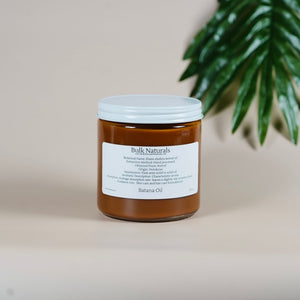
Botanical infused oils combine carrier oils with selected plant materials to create ingredients used in skincare, haircare, massage products, and other oil-based formulations.
Often associated with traditional herbal preparations, these ingredients offer formulators an opportunity to incorporate botanical character into finished products while taking advantage of the emollient properties of their carrier oils.
What Are Botanical Infused Oils?
Botanical infused oils, sometimes called herbal macerates or oil infusions, are generally produced by allowing plant materials to steep in a carrier oil under controlled conditions.
Depending on the botanical material and manufacturing process, oil-soluble and oil-dispersible constituents may transfer into the carrier oil.
The resulting ingredient combines the characteristics of its carrier oil with those of the infused botanical material. Composition varies according to the plant, carrier oil, infusion method, and processing conditions.
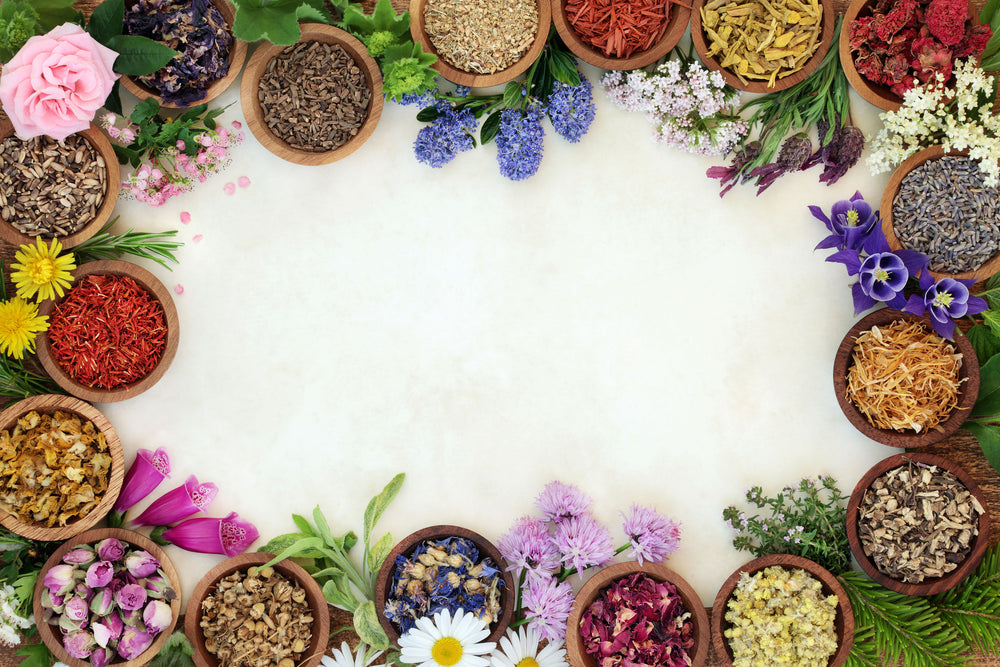
Popular Botanicals Used in Infused Oils
Calendula & Chamomile
Commonly incorporated into botanical skincare, massage oils, balms, and body care formulations.
Lavender
A familiar botanical used in infused oils for body care, massage products, and botanical-inspired skincare.
Brahmi & Ashwagandha
Traditional herbs frequently associated with Ayurvedic-inspired haircare and botanical oil preparations.
Other Herbs, Flowers & Roots
Additional botanical materials offer opportunities to develop distinctive infused oils for facial care, scalp products, body oils, and specialty formulations.
Applications for Botanical Infusions
- Facial Oils & Serums: Incorporate compatible infused oils into anhydrous facial formulations.
- Hair & Scalp Care: Use in hair oils, scalp treatments, and conditioning products.
- Balms & Salves: Combine with cosmetic butters, waxes, and other oil-soluble ingredients.
- Massage & Body Oils: Create botanical-inspired massage blends and body care products.
- Creams & Lotions: Incorporate suitable infused oils into the oil phase of emulsified formulations.
- Soapmaking: Use compatible infused oils as part of the selected oil blend, accounting for their fatty acid composition and processing requirements.
Botanical Infusions vs. Essential Oils & Extracts
Although botanical infusions, essential oils, and botanical extracts may originate from similar plants, they are not interchangeable.
Botanical Infusions are typically produced by steeping botanical materials in carrier oils, allowing compatible plant constituents to transfer into the oil.
Essential Oils are concentrated volatile aromatic materials generally obtained through distillation or other suitable extraction processes.
Botanical Extracts may be produced using water, alcohol, glycerin, oils, carbon dioxide, or other extraction systems, depending on the desired constituents.
Each ingredient type has different composition, solubility, concentration, and formulation considerations.
Choosing the Right Infused Oil
When selecting a botanical infusion, consider:
- Carrier Oil: The base oil influences skin feel, fatty acid composition, oxidation stability, and formulation compatibility.
- Botanical Material: Different herbs, flowers, and roots contribute different constituents and sensory characteristics.
- Production Method: Maceration conditions, botanical-to-oil ratios, filtration, and other processing steps may affect the finished ingredient.
- Ingredient Documentation: Review available specifications, INCI names, recommended usage, and storage guidance.
- Finished-Product Requirements: Evaluate compatibility, oxidation stability, preservation needs, and intended cosmetic applications.
Storage & Formulation Considerations
Botanical infused oils are generally oil-based ingredients, but their stability depends on the carrier oil, botanical material, processing, packaging, and storage conditions.
Store products according to supplier recommendations and protect oxidation-sensitive oils from excessive heat, light, and air exposure.
Anhydrous oil formulations generally do not require the same antimicrobial preservation approach as water-containing products. However, botanical infusions must be manufactured and handled to minimize contamination and residual moisture. Products containing water or exposed to water during use may require additional preservation considerations.
Formulate with Botanical Ingredients
Pair botanical infused oils with ingredients from our Carrier Oils & Botanical Infusions, Butters & Waxes, Essential Oils, and Actives & Peptides collections to create customized skincare, haircare, and body care formulations.
Inspired by Nature. Made for Possibility.