



Explore timeless formulation favorites, specialty cosmetic actives, botanical discoveries, and creative ideas for handmade gifts and seasonal skincare collections.
There's something special about the holiday-making season. Familiar botanical aromas, rich skincare textures, thoughtfully handcrafted gifts, and the excitement of creating something new all bring a little extra inspiration to the formulation process.
For skincare makers, soap artisans, and independent beauty brands, the holidays offer more than an opportunity to revisit seasonal favorites. They're also a chance to experiment with innovative ingredients, discover new formulation possibilities, and create products that feel both personal and distinctive.
Sometimes that means returning to dependable staples like Jojoba Oil and Shea Butter. Other times, it means exploring specialty ingredients such as Copper Peptides, PDRN, Hemisqualane, or botanicals like Batana Oil, Blue Lotus, and Manuka Honey.
Whether you're creating gifts for loved ones, developing a limited-edition collection, or planning your next formulation project, the right combination of traditional and modern ingredients can bring your ideas to life.
At Bulk Naturals Wholesale, we believe formulation is where botanical tradition meets creative possibility.
🎁 A Little Extra Holiday Magic: Our Black Friday Celebration
Enjoy 20% OFF Sitewide — No Minimum Purchase!
Celebrate the season of making with savings on the ingredients that inspire your creativity.
Plus, receive a FREE 12 Days of Christmas Essential Oil Advent Box with qualifying orders of $250 or more after discounts, while supplies last!
Featuring 12 essential oils and aromatic blends, this festive collection offers a delightful way to explore botanical aromas throughout the holiday season.
Shop the Black Friday Sale and make more possible!
Gift offer applies to eligible merchandise subtotals of $250 or more after discounts and before taxes and shipping. One complimentary advent box per qualifying order, while supplies last. Limited quantities available.
Timeless Formulation Staples: The Ingredients Makers Return To
Every great formulation begins with a foundation. While ingredient trends continue to evolve, certain botanical oils, butters, and functional ingredients remain essential because of their versatility, familiarity, and dependable performance.
These ingredients can be used on their own in simple formulations or combined with specialty actives to create more sophisticated skincare products.
Jojoba Oil: A Versatile Botanical Favorite
Jojoba Oil has earned its place in countless skincare and haircare formulations. Technically a liquid wax ester rather than a traditional triglyceride oil, Jojoba offers a smooth, elegant skin feel and excellent versatility.
Its distinctive composition makes it suitable for facial oils, body oils, balms, conditioning treatments, and many other personal care applications.
For winter skincare, Jojoba can be paired with richer botanical butters or lightweight emollients to create a more balanced sensory experience.
Shea Butter: Richness, Comfort & Texture
Few ingredients are as closely associated with comforting body care as Shea Butter.
Rich in fatty acids and naturally occurring unsaponifiable components, Shea Butter contributes emollience and structure to body butters, balms, creams, and conditioning products.
It also provides a wonderful foundation for holiday-inspired formulations, especially when combined with complementary botanical oils.
Glycerin: A Small Ingredient with a Big Role
While botanical oils and butters help create rich textures, water-based formulations often rely on humectants to support hydration.
Vegetable Glycerin is one of the most versatile examples. It attracts and retains water, making it a familiar ingredient in lotions, serums, cleansers, and other cosmetic products.
Its compatibility with a wide range of formulation systems makes it a useful staple for both beginners and experienced formulators.
Vitamin E: Supporting Oil-Based Formulations
Vitamin E is another ingredient worth keeping in a formulation toolkit.
Certain forms of Vitamin E, particularly tocopherol-rich ingredients, can help slow the oxidation of susceptible oils, supporting the quality of anhydrous products.
However, Vitamin E is not a broad-spectrum preservative and does not replace an appropriate preservation system in water-containing formulations.
Formulation inspiration: Create a winter body butter using Shea Butter, Jojoba Oil, and a complementary lightweight emollient, or explore a hydrating cream featuring Glycerin and specialty cosmetic actives.
Modern Skincare Innovation: Copper Peptides, PDRN & Specialty Actives
For formulators interested in moving beyond traditional botanical ingredients, specialty cosmetic actives open the door to a different kind of creativity.
These ingredients often require more careful consideration of concentration, solubility, pH, compatibility, and processing conditions, but they can also help define the character of a distinctive skincare product.
GHK-Cu & AHK-Cu: Exploring Copper Peptides
Copper peptides have attracted considerable attention among formulators interested in advanced cosmetic skincare.
Two examples are GHK-Cu (Copper Tripeptide-1) and AHK-Cu (Copper Tripeptide-3).
Although both are copper-binding tripeptides, they are distinct molecules and should not be treated as interchangeable ingredients.
GHK-Cu is widely discussed in the context of skin-conditioning and age-focused cosmetic research, while AHK-Cu has also attracted interest in specialty skincare and haircare applications.
Depending on the product, copper peptides may be available in powder form or as prepared liquid concentrates, including liposomal systems.
Formulation considerations:
-
Follow the recommended usage range for the specific ingredient and concentration supplied.
-
Evaluate the finished formula's pH and ingredient compatibility.
-
Consider potential interactions with strong chelating agents and other reactive ingredients.
-
Follow supplier guidance regarding processing temperature, storage, and incorporation.
Liposomal concentrates should not automatically be assumed compatible with every finished serum base, and concentrated ingredients should not be applied undiluted unless specifically intended for direct use.
Holiday formulation inspiration: Explore a specialty facial serum or premium skincare gift concept built around a carefully developed copper peptide formulation.
PDRN: An Ingredient Worth Discovering
PDRN, or polydeoxyribonucleotide, has become a topic of growing interest in cosmetic ingredient discussions.
PDRN materials are derived from DNA fragments, but their exact composition, source, molecular characteristics, and specifications can vary between suppliers.
At Bulk Naturals Wholesale, formulators can explore both Salmon-Derived PDRN Powder and Synthetic PDRN Powder.
These options offer an opportunity to learn about different ingredient sourcing approaches, but they should not be assumed to have identical specifications or performance.
For cosmetic formulation, the most important considerations include the supplier's technical documentation, solubility, recommended usage, processing conditions, and suitability for the intended product.
Holiday formulation inspiration: Develop a modern hydrating serum concept featuring a suitable PDRN ingredient within a properly designed and preserved water-based formulation.
Hyaluronic Acid, Niacinamide & Ceramides: Supporting the Formula
Not every sophisticated skincare ingredient needs to be unfamiliar.
Established cosmetic actives such as Hyaluronic Acid, Niacinamide, Panthenol, and Ceramide Complex can play important roles in modern moisturizing and barrier-focused formulations.
Hyaluronic Acid is valued for its water-binding properties and is widely used in hydrating serums and gels.
Niacinamide is a versatile cosmetic active commonly incorporated into formulations targeting the appearance of uneven skin tone, oiliness, and skin barrier support.
Panthenol contributes humectant and skin-conditioning properties.
Ceramide Complex can be incorporated into suitable moisturizing systems designed to support the skin's barrier function.
These ingredients offer a useful bridge between familiar skincare formulation and more specialized product development.
Explore: Actives & Peptides | Cosmetic Liposomes | Botanical Extracts
Botanical Discoveries: Batana Oil, Blue Lotus & Hemisqualane
Not every exciting ingredient comes from a laboratory. Some of the most interesting formulation possibilities begin with botanicals that have long histories of traditional use or distinctive sensory characteristics.
Others, such as Hemisqualane, offer modern texture solutions that complement botanical oils beautifully.
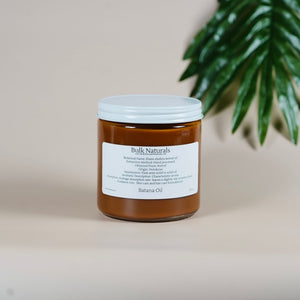
Batana Oil: A Botanical Favorite for Haircare
Batana Oil has gained significant attention among consumers interested in botanical haircare.
Traditionally associated with hair and skin applications, Batana Oil is a rich botanical ingredient that can be incorporated into appropriately designed conditioning treatments, hair oils, and body care products.
Its characteristic texture and composition make it especially interesting for formulators developing richer haircare products.
Formulation inspiration: Create a botanical pre-shampoo oil treatment featuring Batana Oil and complementary lightweight emollients.
Hemisqualane: Lightweight Elegance for Skin & Hair
For formulators looking to balance richer botanical ingredients, Hemisqualane offers an appealing sensory alternative.
Commonly supplied as C13-15 Alkane, Hemisqualane is a lightweight emollient known for its excellent spreadability and dry, silky finish.
It can be especially useful in formulations where a traditional botanical oil feels too rich or heavy.
In haircare, Hemisqualane can contribute slip and help create a lighter-feeling finish in oil-based products.
In skincare, it can be incorporated into facial oils, body oils, and other emollient systems where an elegant sensory profile is desired.
Formulation inspiration: Pair Hemisqualane with Batana Oil to develop a hair oil that balances botanical richness with a lighter application feel.
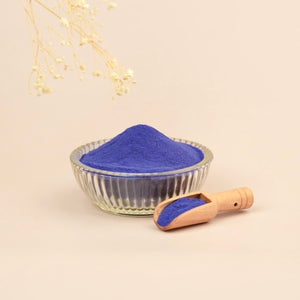
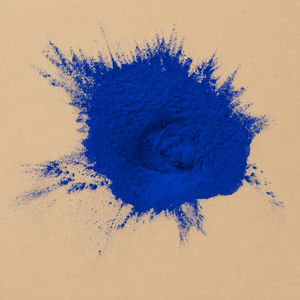
Blue Lotus: Botanical Beauty & Skin-Conditioning Potential
Blue Lotus, (Nymphaea caerulea) brings an intriguing combination of botanical tradition, naturally occurring plant compounds, and sensory appeal to modern cosmetic formulations. Long admired for its delicate floral character, Blue Lotus is gaining interest among makers looking to incorporate distinctive botanical ingredients into skincare and personal care products.
Beyond its botanical appeal, Blue Lotus contains naturally occurring flavonoids and phenolic compounds, which are of interest for their antioxidant properties. These compounds may offer potential value in formulations designed to support skin conditioning and help address the effects of environmental stressors, although research establishing specific topical benefits remains limited.
Blue Lotus extracts can also contribute to the botanical identity of hydrating facial mists, lightweight serums, and specialty skincare products. When paired with complementary ingredients such as hyaluronic acid, glycerin, or aloe vera, Blue Lotus can become part of a formulation focused on hydration, comfort, and a refreshing sensory experience.
The specific benefits and formulation requirements depend on the extract's composition and processing method. The ingredient's suitability depends on whether it is provided as an extract, aromatic material, or another preparation. Because different Blue Lotus products can vary significantly in composition and solubility, formulators should consult the specific ingredient documentation before selecting a formula.
Formulation inspiration: Develop a Blue Lotus-inspired body oil, botanical fragrance concept, or specialty skincare product using an appropriate ingredient form.
Ingredient Spotlight: Manuka Honey — A Golden Botanical Tradition
Among the many ingredients available to today's skincare makers, few offer the same combination of botanical heritage, distinctive composition, and recognizable ingredient appeal as Manuka Honey.
Produced by bees collecting nectar from the Manuka plant (Leptospermum scoparium), primarily associated with New Zealand, Manuka Honey is known for its characteristic composition and naturally occurring constituents.
Its rich golden appearance, familiar sensory qualities, and botanical origin make it an interesting ingredient for makers developing honey-inspired skincare and seasonal gift collections.
Understanding Manuka Honey NPA Grades
Bulk Naturals Wholesale offers Manuka Honey in multiple NPA grades, including NPA 15, and NPA 20.
NPA stands for Non-Peroxide Activity, a grading concept associated with the honey's antibacterial activity under specified testing conditions.
Higher NPA grades generally indicate greater measured non-peroxide activity, but that does not automatically mean a higher grade will produce a better cosmetic formulation.
The appropriate selection depends on the intended application, formulation requirements, and ingredient characteristics.
For cosmetic makers, Manuka Honey's botanical origin and distinctive composition can be just as important as its grading.
Four Ways to Explore Manuka Honey in Skincare
1. Honey-Based Facial Masks
Manuka Honey can be explored as a featured ingredient in honey-based facial mask concepts.
Its characteristic texture and humectant properties make it particularly interesting for products designed around a rich, comforting application experience.
A simple single-ingredient honey mask may be an option for appropriate personal use, while commercial formulations require additional consideration of preservation, packaging, safety, and stability.
2. Specialty Facial Cleansers
Honey-inspired cleansers can provide an appealing combination of botanical storytelling and modern formulation.
Incorporating raw Manuka Honey into a cleanser requires careful consideration of the surfactant system, viscosity, preservation, and finished-product stability.
3. Botanical Moisturizing Treatments
Manuka Honey can also inspire moisturizing masks and other specialty skincare products.
For water-based creams and lotions, formulators should carefully evaluate how honey affects the product's texture, preservation requirements, and overall performance.
4. Curated Botanical Gift Collections
A honey-inspired skincare collection can combine familiar botanical ingredients with an elevated seasonal presentation.
Consider pairing a properly formulated honey-based mask with a complementary facial oil, handcrafted soap, or other botanical body care product.
Pairing Manuka Honey with Other Ingredients
Manuka Honey can be explored alongside familiar cosmetic ingredients such as:
-
Glycerin: For humectant-focused skincare concepts.
-
Aloe Vera: For water-based gel and mask formulations.
-
Kaolin Clay: For appropriate wash-off mask systems.
-
Jojoba Oil: For complementary oil-based products within a gift collection.
-
Botanical Extracts: For distinctive ingredient stories and specialized skincare concepts.
These are formulation ideas rather than guaranteed compatible combinations. Each finished product requires appropriate development and evaluation.
Important formulation note: Raw honey's naturally low water activity does not mean it can preserve a finished cosmetic formulation. Once honey is diluted or incorporated into a water-containing product, an appropriate preservation strategy and microbial evaluation may be necessary.
Explore: Manuka Honey NPA 15 | Manuka Honey NPA 20
Five Creative Formulation Ideas to Inspire Your Next Project
Sometimes the best way to discover an ingredient's potential is to imagine what you could create with it.
Whether you're preparing handmade gifts, exploring a new formulation technique, or developing products for your beauty business, these five ideas offer a starting point for your next project.
1. Rich Botanical Body Butter
Featured ingredients: Shea Butter, Mango Butter, Jojoba Oil, and Vitamin E.
Create a comforting anhydrous body butter with a texture tailored to your preferences. Experiment with the balance of solid butters and liquid oils to adjust firmness, richness, and spreadability.
For a lighter finish, consider incorporating a suitable lightweight emollient.
2. Lightweight Botanical Hair Oil
Featured ingredients: Batana Oil, Hemisqualane, and Jojoba Oil.
Combine rich botanical oils with lightweight emollients to create a conditioning hair oil that offers slip and a more balanced sensory experience.
Adjust the ingredient proportions to explore different textures and application preferences.
3. Advanced Hydrating Facial Serum
Featured ingredients: Hyaluronic Acid, Panthenol, and a suitable Copper Peptide or PDRN ingredient.
For experienced formulators, a water-based facial serum offers an opportunity to explore specialty cosmetic actives.
Begin with a clear formulation goal, then select ingredients according to their documented compatibility, usage rates, and processing requirements. Evaluate copper peptides and PDRN individually rather than assuming they can be combined interchangeably.
4. Manuka Honey-Inspired Facial Mask
Featured ingredients: Manuka Honey, Kaolin Clay, and suitable supporting ingredients.
Explore a rich botanical mask concept featuring Manuka Honey's distinctive texture and humectant properties.
Consider a freshly prepared single-use treatment, a kit with separately packaged components, or a professionally developed ready-to-use product. Each approach has different preservation and stability considerations.
5. Blue Lotus Botanical Hydrating Mist
Featured ingredients: Blue Lotus Extract, Aloe Vera, and Vegetable Glycerin.
Create a lightweight botanical facial mist that combines the distinctive character of Blue Lotus with familiar hydrating ingredients.
Explore a water-based formulation designed to refresh and condition the skin, selecting ingredients according to their recommended usage rates and compatibility. Include an appropriate preservation system and evaluate the finished product's stability.
Your Holiday Formulation Checklist: Stock Up, Explore & Create
Whether you're preparing gifts for loved ones or planning production for your business, a well-organized ingredient inventory makes it easier to move from inspiration to finished product.
Replenish Your Formulation Staples
Review frequently used ingredients such as:
-
Jojoba Oil and other carrier oils
-
Shea Butter and botanical butters
-
Glycerin and humectants
-
Vitamin E and appropriate antioxidants
-
Emulsifiers and formulation essentials
-
Cosmetic preservatives
These ingredients provide the foundation for a wide range of skincare and personal care projects.
Explore Specialty Ingredients
If you're interested in experimenting with new formulations, consider reviewing:
-
GHK-Cu and AHK-Cu Copper Peptides
-
Salmon-Derived and Synthetic PDRN Powders
-
Hemisqualane
-
Batana Oil
-
Blue Lotus ingredients
-
Manuka Honey
-
Ceramide Complex and other specialty cosmetic actives
Choose ingredients based on the products you actually intend to create, and review technical documentation before purchasing quantities for larger production runs.
Prepare for Successful Formulation
Before beginning a project:
-
Confirm ingredient compatibility and recommended usage rates.
-
Review solubility, pH, and temperature requirements.
-
Evaluate appropriate preservation for water-containing products.
-
Consider packaging compatibility and storage conditions.
-
Allow time for physical stability and microbial testing where needed.
-
Review ingredient shelf life and storage guidance.
For small businesses, planning ahead can help reduce unnecessary inventory, simplify purchasing, and support more consistent production.
Make the Season Your Own
The beauty of formulation is that creativity doesn't have to follow a single approach.
Some makers find inspiration in familiar botanical ingredients that have been used for generations. Others enjoy exploring modern cosmetic actives, innovative textures, and emerging ingredient technologies.
Often, the most interesting creations come from combining both perspectives.
A familiar botanical butter can become part of a sophisticated moisturizing formula. A lightweight emollient can transform the sensory experience of a traditional hair oil. A specialty active can inspire an entirely new skincare concept. And a distinctive ingredient like Manuka Honey can bring a memorable botanical story to a seasonal collection.
Whether you're creating handmade gifts, preparing products for your customers, or simply discovering new possibilities, the holiday season offers an opportunity to experiment thoughtfully and create with intention.
At Bulk Naturals Wholesale, we're proud to support the makers, formulators, and botanical enthusiasts who turn ingredients into something extraordinary.
Explore our collections, replenish your favorites, and discover what you'll create next.
Inspired by Nature. Made for Possibility.
Formulation Disclaimer: The ingredients discussed are cosmetic raw materials intended for external use in personal care formulations. They are not intended to diagnose, treat, cure, or prevent disease. The information provided is educational and does not replace finished-product safety, stability, regulatory, or efficacy evaluation.

Leave a comment