



Discover how modern botanical ingredients, concentrated extracts, and advanced cosmetic actives are bringing a more thoughtful approach to skin barrier formulation.
For years, skincare conversations have centered around one familiar goal: moisture. From rich creams to lightweight hydrating serums, countless products promise to replenish dry skin and restore a softer, smoother complexion. But as our understanding of skin function continues to evolve, so does the way we approach cosmetic formulation.
Today, supporting the skin barrier involves more than simply adding moisture. It means understanding how hydration, lipids, environmental stress, and skin comfort work together to influence the appearance and feel of healthy skin.
For formulators, this creates exciting opportunities to move beyond traditional moisturizers and develop products that address multiple aspects of skin conditioning in one thoughtfully designed formula.
At Bulk Naturals Wholesale, our expanding collection of botanical ingredients and cosmetic actives reflects this approach. From concentrated Aloe Vera and Peony Extract to Moringa Seed Oil, Golden Silk Botanical Butter, and Palmitoyl Tetrapeptide-7, these five ingredients offer different possibilities for creating modern, barrier-focused skincare.
Let's explore what makes each one interesting and how they can contribute to your next formulation.
Understanding the Skin Barrier: Why Hydration Is Only One Piece
The skin's outermost layer, known as the stratum corneum, serves as an essential protective interface between the body and the surrounding environment.
Often described using a brick-and-mortar analogy, this layer consists of flattened skin cells surrounded by a complex arrangement of lipids, including ceramides, cholesterol, and fatty acids.
Together, these components help regulate water loss and protect against everyday environmental exposure.
When the skin barrier is functioning effectively, skin generally feels comfortable, supple, and adequately hydrated. When its function becomes compromised, skin may experience increased dryness, tightness, roughness, and sensitivity.
One of the most important measurements associated with barrier function is transepidermal water loss (TEWL), which describes the movement of water through the skin and into the surrounding environment.
This is where thoughtful formulation becomes particularly important.
Humectants attract and hold water. Emollients improve skin softness and flexibility. Occlusive ingredients help reduce moisture loss. Other cosmetic actives may provide complementary soothing, conditioning, or antioxidant properties.
Rather than relying on a single hero ingredient, modern barrier-focused formulations often combine several ingredient functions to create a more complete moisturizing experience.
1. Aloe Vera 200x: Concentrated Botanical Hydration
Aloe vera has long been a familiar ingredient in soothing skincare, but concentrated forms introduce additional flexibility for formulators.
Aloe Vera 200x is a highly concentrated aloe ingredient designed to deliver aloe-derived constituents without requiring large quantities of conventional aloe juice.
Aloe contains various naturally occurring compounds, including polysaccharides, that contribute to its reputation as a skin-conditioning botanical. Depending on the extraction and processing method, these constituents may help support hydration and skin comfort.
For formulators, the appeal of a concentrated aloe ingredient lies in its versatility.
It can be considered for lightweight facial gels, hydrating serums, body lotions, and moisturizing creams where a botanical hydration component is desired.
Why It Matters for Barrier-Focused Formulation
Aloe can complement humectants such as Glycerin, Sodium PCA, and Hyaluronic Acid in products designed to maintain a hydrated skin feel. However, concentrated aloe ingredients require careful handling. A 200x designation should not be treated as a universal usage recommendation.
Formulation Inspiration: Pair Aloe Vera 200x with Glycerin and Panthenol in a lightweight hydrating gel or combine it with emollient ingredients in a moisturizing facial cream.
2. Peony Extract: Botanical Conditioning for Skin Comfort
Peony has a long history of botanical use and is increasingly interesting to cosmetic formulators exploring plant-derived ingredients for skin-conditioning applications.
Depending on the species, plant part, and extraction process, peony extracts may contain naturally occurring compounds such as paeoniflorin and other botanical constituents. These compounds have attracted research interest for their antioxidant and inflammation-related properties.
For skincare formulation, Peony Extract offers an opportunity to incorporate a botanical ingredient into products focused on skin comfort, conditioning, and a balanced appearance.
Why It Matters for Barrier-Focused Formulation
Environmental exposure, cleansing habits, and product selection can all influence how comfortable skin feels.
While Peony Extract is not a replacement for barrier lipids or proven moisturizers, it may serve as a complementary botanical in formulations designed to support a gentle, conditioning skincare routine.
Its botanical positioning also makes it an appealing addition to facial essences, moisturizing creams, and specialty skincare products.
Formulation Inspiration: Explore Peony Extract alongside Aloe Vera, Glycerin, and a lightweight emollient system in a botanical facial moisturizer.
3. Moringa Seed Oil: Lipid-Rich Conditioning for Softer Skin
While water-based ingredients contribute hydration, oils play a different role in skincare formulation.
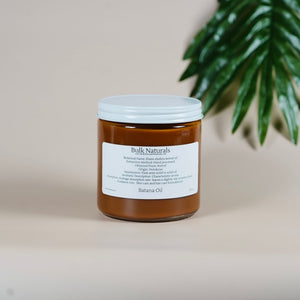
Moringa Seed Oil, derived from the seeds of Moringa oleifera, is valued for its emollient properties and naturally occurring fatty acid profile. It is particularly notable for its oleic acid content, which contributes to the oil's conditioning characteristics and rich skin feel.
BNW currently offers two sourcing options: Moringa Seed Oil from Kenya and Moringa Seed Oil from India. Both are cold-pressed from the seeds of Moringa oleifera and offer the characteristic conditioning benefits of this botanical oil, giving formulators flexibility when selecting ingredients for their skincare creations.
In cosmetic formulations, plant oils help soften and smooth the skin's surface while contributing to the emollient phase of a product. This can be especially useful when developing creams, facial oils, and body moisturizers intended to leave skin feeling supple and comfortable.
Why It Matters for Barrier-Focused Formulation
The skin barrier depends on an organized lipid structure to function effectively. Although applying a botanical oil is not the same as replacing the skin's natural ceramide-cholesterol-fatty acid arrangement, emollient oils can help improve the feel of dry or rough skin.
Whether selecting our Kenya- or India-sourced Moringa Seed Oil, formulators can incorporate this botanical ingredient into products designed to nourish the skin's surface without relying exclusively on heavier butters.
Formulation Inspiration: Combine Moringa Seed Oil with Squalane or another lightweight emollient for a conditioning facial oil, or incorporate it into the oil phase of a moisturizing cream.
4. Golden Silk Botanical Butter: Comfort, Cushion & Moisture Retention
Some formulations need more than a lightweight finish. They need richness, body, and a comforting texture that makes dry skin feel softer and smoother.
That's where specialty botanical butters become especially useful.
Golden Silk Botanical Butter offers an interesting addition to the formulator's collection of texture-building and skin-conditioning ingredients.
Unlike water-based humectants, butter-based ingredients contribute to the lipid-rich portion of a formula. Depending on their composition, they may help improve spreadability, add cushion, and leave a protective-feeling layer on the skin.
For barrier-focused products, these sensory properties are valuable because they help create moisturizers that feel nourishing and comfortable during application.
Why It Matters for Barrier-Focused Formulation
A rich moisturizer isn't necessarily more effective simply because it feels heavier. The goal is to create an appropriate balance between water-binding ingredients, emollients, and moisture-loss-reducing components.
Golden Silk Botanical Butter can be explored as part of this broader formulation strategy, particularly in creams, body butters, and overnight moisturizing treatments.
Because specialty butters may be blended materials rather than single botanical fats, formulators should review the complete INCI composition before determining their function.
Formulation Inspiration: Use Golden Silk Botanical Butter as part of the emollient phase in a rich body cream, alongside Glycerin, Panthenol, and an appropriate emulsifier.
5. Palmitoyl Tetrapeptide-7: Advanced Peptide Formulation Beyond Basic Moisturizing
Botanical extracts and emollients aren't the only ingredients shaping modern skincare development.
Peptides have become an increasingly important category in advanced cosmetic formulation, offering opportunities to develop products focused on visible skin aging, texture, and overall skin appearance.
Palmitoyl Tetrapeptide-7 is a synthetic cosmetic peptide commonly associated with formulations designed to improve the appearance of aging skin.
It has been studied primarily in the context of cosmetic peptide systems, including combinations with other peptides. Research into its biological activity is interesting, but the performance of a finished product depends on concentration, delivery system and formulation compatibility.
Why It Matters for Barrier-Focused Formulation
Palmitoyl Tetrapeptide-7 approaches skincare from a different direction than humectants or botanical oils.
It is not a direct substitute for barrier lipids, nor should it be considered a standalone treatment for a damaged skin barrier. Instead, it can be explored as a complementary cosmetic active in moisturizers and serums that also provide effective hydration and emollience.
This makes it particularly interesting for multifunctional skincare products designed to combine moisturizing benefits with visible skin-conditioning and age-supporting goals.
Peptide formulation requires attention to the recommended concentration, solubility, pH compatibility, and processing conditions. Specifications for a pure peptide powder should not be confused with those of a diluted peptide complex.
Formulation Inspiration: Explore Palmitoyl Tetrapeptide-7 in a well-preserved moisturizing serum or cream containing complementary humectants and emollients.
The Power of Ingredient Synergy: Building a More Balanced Formula
Each of these five ingredients offers something different, but their real formulation value becomes clearer when we consider how their functions can complement one another.
Aloe Vera 200x can contribute a botanical hydration element. Peony Extract offers a skin-conditioning botanical addition. Moringa Seed Oil provides emollience, while Golden Silk Botanical Butter can contribute richness and texture. Palmitoyl Tetrapeptide-7 introduces a more targeted cosmetic-active approach.
Together, they illustrate an important principle: effective formulation isn't about including the greatest number of ingredients. It's about choosing ingredients that serve a clear purpose.
Consider a barrier-focused facial moisturizer.
Its foundation might include a combination of Glycerin and other humectants to support hydration, a balanced emollient phase to soften skin, and appropriate emulsifiers to maintain product stability.
A botanical extract may be incorporated for additional conditioning benefits, while a compatible peptide can be considered for more specialized cosmetic goals.
However, not every ingredient belongs in every product.
A lightweight facial gel may benefit from a simple humectant system, while a richer overnight cream may require a more substantial oil phase. A facial serum designed around peptides may have different processing requirements than a body butter.
The formulation format, intended skin feel, and ingredient compatibility should always guide the selection process.
From Ingredient Selection to Finished Formula
Developing successful barrier-focused skincare requires more than choosing ingredients with appealing benefits.
Formulators must also consider how those ingredients behave together.
Solubility and Phase Compatibility
Water-soluble ingredients generally belong in the water phase, while oil-soluble ingredients require a compatible lipid phase or suitable delivery system. Concentrated botanical extracts and peptides should be evaluated according to their specific documentation.
pH and Ingredient Stability
A finished product's pH can affect skin compatibility, preservative performance, and the stability of certain cosmetic actives. Peptides and botanical extracts may have specific pH requirements that should be verified before incorporation.
Preservation and Product Safety
Water-containing cosmetics require an appropriate preservation system. Introducing new botanical extracts or other ingredients can affect microbial risk and preservative performance.
Texture and Sensory Experience
A moisturizer's feel is influenced by its oils, butters, emulsifiers, humectants, and rheology modifiers. Thoughtful ingredient selection helps achieve the desired balance between richness, absorption, and spreadability.
Finished-Product Testing
Compatibility, stability, microbial quality, and preservative efficacy should be evaluated before commercial distribution.
Beyond Moisture: Formulating with Greater Intention
The future of barrier-focused skincare isn't necessarily about creating more complicated products. It's about understanding the distinct roles ingredients play and using that knowledge to formulate with greater intention.
Hydration remains essential, but it is only one component of a well-rounded skincare strategy.
Botanical extracts, concentrated aloe ingredients, emollient oils, specialty butters, and advanced cosmetic peptides each offer different possibilities for developing products that support a soft, comfortable, healthy-looking complexion.
For both professional formulators and passionate DIY creators, exploring these ingredient categories can open the door to more thoughtful, versatile, and innovative skincare.
At Bulk Naturals Wholesale, we're continually expanding our selection of botanical ingredients and cosmetic actives to support your next formulation.
Whether you're developing a lightweight hydrating serum, a rich moisturizing cream, or a sophisticated peptide treatment, the possibilities begin with understanding your ingredients.
Explore our New Arrivals Collection and discover what's possible for your next formulation.
Inspired by Nature. Made for Possibility.
Formulation Disclaimer: This article is intended for educational purposes. Ingredient performance and suitability depend on the specific raw material, concentration, and finished formulation. Always consult current specifications and conduct appropriate stability, safety, and compatibility testing before commercial use.

Leave a comment