


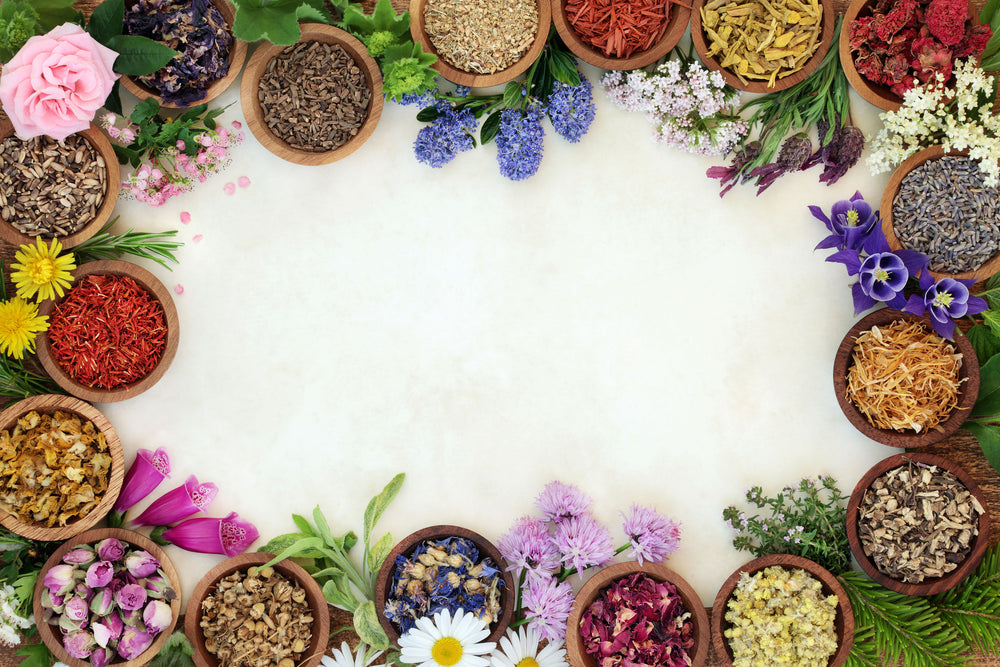

From richly colored seed oils to remarkable botanical butters, explore eight ingredients that bring a little more character, creativity, and natural inspiration to your autumn formulations.
There's something about autumn that invites us to slow down, explore familiar comforts, and rediscover the beauty in the details. The changing leaves, earthy aromas, and richer textures of the season create the perfect inspiration for makers and formulators looking to bring something new to their creations.
In the world of natural formulation, that inspiration extends far beyond the familiar ingredients we reach for every day.
While shea butter, jojoba oil, and lavender have earned their places on our formulation shelves, there's an entire world of botanical ingredients waiting to be explored. Some have been used in traditional beauty practices for generations. Others offer unusual fatty acid profiles, distinctive colors, or sensory characteristics that make them especially interesting to modern formulators.
This autumn, we're opening the apothecary cabinet and taking a closer look at eight botanical ingredients worth rediscovering — along with a few seasonal fragrance inspirations to bring your next creation to life.
1. Kpangnan Butter: A Lesser-Known Botanical Treasure
Sometimes called African butter, Kpangnan Butter comes from the seeds of Pentadesma butyracea, a tree native to tropical West Africa. Traditionally used in regional food and personal care applications, this botanical butter offers an interesting alternative to more familiar plant butters.

Rich in fatty acids, including stearic and oleic acids, Kpangnan Butter can contribute body, richness, and a protective-feeling finish to anhydrous skincare products.
Its firm consistency makes it particularly appealing for formulators who want to experiment with the structure and texture of balms, body butters, and solid moisturizing products.
Why formulators love it:
-
Provides richness and structure to butter-based formulations.
-
Offers an alternative to commonly used shea and cocoa butters.
-
Pairs beautifully with lighter carrier oils to create a more balanced skin feel.
Autumn formulation inspiration: Create a rich botanical body balm featuring Kpangnan Butter, a lightweight seed oil, and a carefully selected warm fragrance.
Formulator's note: Evaluate the butter's melting behavior, graininess, and final texture when developing a finished product. The cooling process can significantly influence the consistency of butter-rich formulations.
2. Pomegranate Seed Oil: An Ancient Botanical with Modern Appeal
Few botanicals carry quite the same sense of history as the pomegranate (Punica granatum). Cultivated for thousands of years across the Mediterranean, Middle East, and parts of Asia, this vibrant fruit has long been associated with abundance, renewal, and beauty.
While the jewel-toned seeds are familiar in the kitchen, the oil extracted from them offers something particularly interesting for cosmetic formulators.
Pomegranate Seed Oil is distinguished by its unusual fatty acid composition, especially its naturally occurring punicic acid, an omega-5 conjugated fatty acid. This gives it a unique identity among botanical oils and makes it an intriguing addition to modern skincare formulations.
With its rich botanical character and distinctive lipid profile, Pomegranate Seed Oil is worth exploring beyond the more familiar carrier oils.
Why formulators love it:
-
Offers a distinctive fatty acid profile rich in punicic acid.
-
Adds a specialty botanical ingredient to facial oils, balms, and moisturizing formulations.
-
Pairs with other carrier oils to create thoughtfully balanced botanical blends.
Autumn formulation inspiration: Create a luxurious facial oil featuring Pomegranate Seed Oil, meadowfoam seed oil, and a touch of Sea Buckthorn Seed Oil for a sophisticated seasonal botanical blend.
Formulator's note: Pomegranate Seed Oil's fatty acid composition can vary depending on sourcing and processing. Evaluate its sensory characteristics, oxidation stability, and compatibility with other ingredients when developing a finished formulation.
3. Bacuri Butter: A Golden Treasure from the Amazon
Deep in the Amazon rainforest grows the bacuri tree (Platonia insignis), a tropical species valued for its fruit and the rich butter obtained from its seeds.
Bacuri Butter has a long history of traditional use in Brazil, where it has been incorporated into regional personal care practices. With its naturally deep golden to brownish color, distinctive earthy aroma, and rich consistency, it's a botanical ingredient that brings plenty of character to modern formulations.
Unlike more neutral, refined butters, Bacuri Butter can make its presence known in both the appearance and aroma of a finished product. Its fatty acid composition, including palmitic and oleic acids, contributes to its substantial, conditioning skin feel.
Why formulators love it:
-
Adds richness and body to balms, body butters, and other anhydrous products.
-
Brings a distinctive natural color and botanical character to formulations.
-
Pairs with lighter carrier oils and softer butters to create balanced textures.
Autumn formulation inspiration: Create a golden botanical hand balm with Bacuri Butter, jojoba oil, and a touch of a compatible warm, woodsy fragrance for a cozy seasonal experience.
Formulator's note: Bacuri Butter's strong natural color and aroma can influence the final product. Start with a small trial batch, particularly when developing lightly colored or delicately fragranced formulations.
4. Sea Buckthorn Seed Oil: Lightweight Botanical Conditioning
Sea buckthorn (Hippophae rhamnoides) is a resilient shrub known for its vibrant orange berries and long history of traditional use across parts of Asia and Europe.

While the vividly colored fruit oil often receives the most attention, Sea Buckthorn Seed Oil deserves recognition for its own unique characteristics.
Extracted from the seeds rather than the fruit pulp, this botanical oil has a different fatty acid profile, typically featuring substantial amounts of linoleic and alpha-linolenic acids. These essential fatty acids make it an interesting addition to facial oils, lightweight moisturizers, and conditioning skincare formulations.
Compared with the intensely pigmented fruit oil, seed oil is generally lighter in color, making it more versatile when a subtle appearance is desired.
Why formulators love it:
-
Offers a distinctive blend of omega-6 and omega-3 fatty acids.
-
Adds botanical conditioning without the intense orange pigmentation associated with fruit oil.
-
Complements richer butters and oils in balanced skincare formulations.
Autumn formulation inspiration: Blend Sea Buckthorn Seed Oil with meadowfoam seed oil and Prickly Pear Cactus Seed Oil for a lightweight facial oil that complements the season's richer skincare routines.
Formulator's note: Sea Buckthorn Seed Oil contains highly unsaturated fatty acids, making oxidation stability an important consideration. Use appropriate packaging, evaluate shelf life, and consider antioxidant support when developing finished products.
5. Mafura Butter: A Rich Botanical with Traditional Roots
Mafura Butter comes from the seeds of Trichilia emetica, a tree found in regions of sub-Saharan Africa. Its seed fat has a history of traditional use, including in skin and hair preparations, and offers a compelling option for formulators interested in richer botanical textures.
Mafura Butter is especially appealing in products where a substantial, conditioning feel is desirable.
Depending on its processing and composition, it may offer a different consistency and sensory experience from familiar butters such as shea or mango.
Why formulators love it:
-
Adds richness to body care and hair care formulations.
-
Works well in butter blends and conditioning balms.
-
Offers an opportunity to explore less familiar botanical raw materials.
Autumn formulation inspiration: Develop a nourishing-feeling hair balm or whipped body butter using Mafura Butter, a lighter liquid oil, and a complementary botanical butter.
Formulator's note: Whipped products can change texture during storage, especially with temperature fluctuations. Evaluate stability rather than relying solely on the initial whipped appearance.
6. Tamanu Oil: A Distinctive Botanical with a Story
Tamanu Oil, derived from the kernels of Calophyllum inophyllum, has a long history of traditional topical use in parts of the Pacific and Southeast Asia.
Its deep green to brownish color and characteristic nutty, earthy aroma make it immediately recognizable.
Unlike neutral carrier oils, Tamanu brings a strong botanical personality to a formulation. It contains a complex mixture of fatty acids and minor constituents that have attracted interest in cosmetic ingredient research.
For modern formulators, its most practical appeal lies in its distinctive sensory profile and use as a conditioning botanical oil.
Why formulators love it:
-
Adds a unique character to botanical oil blends.
-
Works well in targeted balms and richer skincare products.
-
Offers an interesting ingredient story for nature-inspired formulations.
Autumn formulation inspiration: Pair Tamanu Oil with a lighter carrier oil and a soft botanical butter for a rich, earthy hand balm.
Formulator's note: Tamanu's characteristic aroma can influence the final scent considerably. Evaluate it alongside any fragrance or essential oil rather than assuming the fragrance will completely mask it.
7. Pumpkin Butter: An Autumn Favorite with a Botanical Twist
Few ingredients capture the spirit of autumn quite like pumpkin. From harvest traditions to seasonal skincare, this familiar botanical has become synonymous with the warmth and comfort of fall. But beyond its seasonal appeal, pumpkin offers an interesting ingredient for natural formulators to explore.
Derived from the seeds of Cucurbita pepo, Pumpkin Seed Oil contains naturally occurring fatty acids, including linoleic and oleic acids, along with minor constituents such as tocopherols and phytosterols. These characteristics make it a valuable addition to conditioning skincare formulations.
BNW's Pumpkin Butter brings this botanical into a convenient, ready-to-formulate blend of Shea Butter, Cocoa Butter, Coconut Oil, Sweet Almond Oil, and Jojoba Seed Oil, enriched with Pumpkin Seed Oil.
The shea and cocoa butters provide richness and body, while the coconut, sweet almond, and jojoba oils contribute to the blend's conditioning properties and spreadability. Pumpkin Seed Oil completes the combination, creating a versatile botanical ingredient that feels especially fitting for autumn-inspired skincare.
Why formulators love it:
-
Combines six botanical butters and oils in one convenient ingredient.
-
Provides a rich, conditioning base for balms, body butters, and other anhydrous formulations.
-
Offers a creative way to incorporate pumpkin seed oil into seasonal skincare products without working with it separately.
Autumn formulation inspiration: Create a cozy botanical body balm featuring Pumpkin Butter, Mafura Butter, and a lightweight carrier oil. For an extra seasonal touch, explore pairing it with BNW's Pumpkin Pie or Warm Woods Fragrance Oil, following the applicable fragrance usage limits.
Formulator's note: Pumpkin Butter is a blended ingredient, not pure pumpkin seed oil or pumpkin fruit extract. Its texture and performance come from the complete combination of botanical butters and oils. When formulating, consider its existing composition, melting behavior, and compatibility with other ingredients. Because this is an oil-based blend, it won't contribute the exfoliating properties sometimes associated with pumpkin enzyme products.
8. Liquid Green Tea Extract: A Familiar Botanical, Reimagined
Green tea (Camellia sinensis) has been appreciated for centuries, and its role in modern skincare continues to evolve.
While green tea is a familiar name in cosmetic formulation, Liquid Green Tea Extract offers a convenient way to explore this botanical in products such as serums, lotions, gels, and creams.

Green tea naturally contains polyphenols, including catechins, which are widely studied for their antioxidant properties. The composition of a finished liquid extract, however, depends on the extraction process, concentration, and carrier system.
For formulators, liquid extracts can simplify incorporation compared with powders that require additional dissolution or dispersion steps, provided the extract is compatible with the formula.
Why formulators love it:
-
Offers a convenient liquid format for compatible water-based and emulsion formulations.
-
Brings a familiar botanical ingredient into modern cosmetic applications.
-
Pairs well with hydrating ingredients such as glycerin, hyaluronic acid, and panthenol.
Autumn formulation inspiration: Develop a lightweight botanical hydration serum featuring Liquid Green Tea Extract, glycerin, and hyaluronic acid to complement richer seasonal moisturizers.
Formulator's note: Check the extract's INCI, solvent system, recommended usage rate, pH compatibility, and processing temperature. Liquid green tea extracts may contain water, glycerin, glycols, or other carriers, and their concentration and preservation requirements can vary. Always evaluate the complete formula for stability and microbial safety.
The Art of Autumn Aromatics: Introducing Our Seasonal Fragrance Collection
Botanical ingredients bring texture, color, and character to a formulation. Fragrance adds another dimension entirely.
A familiar scent can evoke a memory, establish a mood, or transform a simple everyday product into something that feels distinctly seasonal.
And autumn offers an especially beautiful palette of aromatic inspiration.
This season, we're introducing a collection of 12 fragrance oils inspired by everything we love about cooler days, cozy spaces, wooded landscapes, and comforting seasonal traditions.

Warm, Cozy & Comforting
Pumpkin • Pumpkin Pie • Ginger Bread • Almond • Spiced Almond • Coffee Cake
Think of the comforting side of autumn: freshly baked treats, warm kitchens, and familiar seasonal favorites.
These fragrances offer inspiration for products such as body butters, soaps, and other appropriately formulated scented creations.
Fresh, Woodsy & Earthy
Warm Woods • Evergreen Forest • Cedar and Oak Moss
For those who love the outdoors, these scents bring inspiration from forests, natural wood, and the quieter, earthier side of the season.
They're particularly appealing for creating sophisticated, nature-inspired scent profiles.
Bright, Spiced & Seasonal
Spiced Apple • Bitter Orange & Cinnamon • Cinnamon Stick
These fragrances celebrate the lively side of autumn, combining inspiration from fruits and spices with the warmth associated with the season.
They offer opportunities to create products with a distinctive seasonal identity.
Featuring: The Autumn Fragrance Sampler
With so many seasonal scents to explore, choosing just one isn't always easy.
That's why we've put together a special 12-piece Autumn Fragrance Sampler, featuring 1 mL of each fragrance oil in the collection.
It's a convenient way to experience every scent, compare aroma profiles, and discover new favorites before purchasing larger sizes.
Whether you're planning seasonal products for your business, exploring new fragrance combinations, or simply looking for fresh inspiration, this collection makes it easier to find the scents that speak to your creative style.
DISCOVER THE AUTUMN FRAGRANCE SAMPLER
Fragrance oils should be used according to their individual supplier documentation and applicable IFRA restrictions. Not every fragrance is suitable for every application, and fragrance oils should not be assumed to be natural essential oils.
Bringing It All Together: Formulating for the Season
Autumn formulation isn't necessarily about creating heavier products or adding a seasonal fragrance to everything.
It's an opportunity to think more intentionally about the experience you're creating.
A richer botanical butter can change the way a balm feels. A vividly colored seed oil can give a formula visual character. A carefully selected extract can introduce a new functional consideration. And a seasonal fragrance can bring the entire concept together.
Sometimes the most exciting ideas begin with an ingredient you've never worked with before. Other times, they come from revisiting a familiar botanical and discovering a new way to use it.
That's the beauty of formulation: there's always something more to explore.
At Bulk Naturals Wholesale, we love helping makers, formulators, and independent brands discover the ingredients that bring their ideas to life. From specialty botanical butters and seed oils to innovative extracts and seasonal fragrance collections, we're here to make the process of creating a little more inspiring.
This autumn, explore beyond the familiar. Rediscover something extraordinary. And see where your curiosity takes you.
Explore the Autumn Apothecary
From specialty botanical butters to unique seed oils and seasonal fragrances, discover the ingredients featured in this guide and find inspiration for your next formulation.

Inspired by Nature. Made for Possibility.
Ingredient information is provided for cosmetic formulation education. Always review current supplier documentation, applicable usage limits, safety requirements, and finished-product testing needs before commercial production.

Leave a comment