



Blue Moroccan Nila Powder for Cosmetics: A Complete Formulation Guide
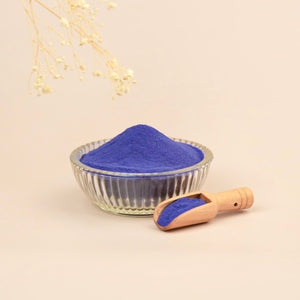
Blue Moroccan Nila Powder is a distinctive botanical ingredient associated with traditional Moroccan beauty rituals. Recognized for its beautiful blue appearance, Nila has become an interesting ingredient for cosmetic formulators developing botanical skincare, body-care products, powder masks, soaps, and Moroccan-inspired beauty treatments.
For modern cosmetic formulation, however, choosing Nila is about more than its color and traditional history. The identity, quality, purity, processing, and cosmetic suitability of the specific raw material should always be verified before it is used in a finished product.
In this guide, we'll explore what Blue Moroccan Nila Powder is, how it can be used in cosmetic formulations, what to consider when sourcing it, and how to approach formulation and product development responsibly.
What Is Blue Moroccan Nila Powder?
Blue Moroccan Nila Powder is a blue botanical powder traditionally connected with Moroccan beauty practices.
The term “Nila” can be used differently by suppliers and in different markets, so formulators should not rely on the common name alone. Before purchasing a raw material, always confirm its exact INCI name, botanical identity, country of origin, processing method, and technical specifications.
For professional cosmetic development, knowing exactly what is in your raw material is essential for consistent formulation and appropriate product assessment.
Why Use Moroccan Nila Powder in Cosmetics?
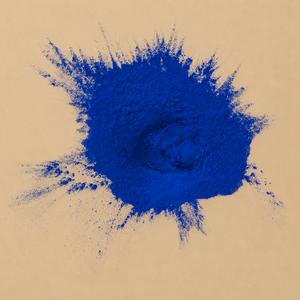
One of the most recognizable characteristics of Nila powder is its distinctive blue color. This can give cosmetic formulations a unique visual identity when used appropriately.
Its traditional Moroccan heritage can also make it appealing to brands developing botanical and ritual-inspired products.
Depending on the specific cosmetic-grade material and its supplier specifications, Nila Powder can be explored in products such as:
-
Facial powder masks
-
Body masks
-
Botanical powder blends
-
Moroccan-inspired skincare
-
Body-care products
-
Spa-inspired treatments
-
Powder-to-paste cosmetic preparations
-
Certain soap formulations
For brands, Nila can become part of a broader product story centered around botanical ingredients, traditional beauty rituals, and sensory experiences.
Nila Powder for Skincare Formulation
When formulating with Nila Powder for skincare, it is important to evaluate the behavior of the complete formula, rather than looking only at the raw ingredient.
Particle size, dispersion, color intensity, compatibility, and stability can all influence the finished product.
During development, formulators should consider evaluating:
-
Color and color consistency
-
Dispersion
-
Texture
-
Skin feel
-
Odor
-
Color transfer
-
Ingredient compatibility
-
Stability
-
Packaging compatibility
-
Microbiological quality where applicable
A botanical powder that performs well in one formulation may behave differently when incorporated into another type of product.
How to Formulate With Blue Moroccan Nila Powder
The best method for incorporating Nila depends on the finished cosmetic.
Dry Powder Formulations
Dry powder masks and botanical blends can be convenient formats for powdered ingredients.
Nila may be combined with other compatible cosmetic powders, such as clays, starches, or other botanical ingredients, depending on the formulation.
Because Nila can have a strong color, thorough and consistent blending is important. Inadequate mixing can result in uneven coloration and an inconsistent final product.
For commercial manufacturing, develop and document a repeatable mixing process and validate it during scale-up.
Wet Formulations
Adding Nila Powder to a water-containing cosmetic requires additional testing.
Depending on the raw material, appropriate wetting and dispersion may be necessary to achieve a uniform product.
Formulators should assess:
-
Dispersion
-
Suspension
-
Sedimentation
-
pH compatibility
-
Color stability
-
Viscosity
-
Preservative compatibility
-
Long-term stability
Any water-containing cosmetic also requires an appropriate preservation strategy and relevant microbiological testing.
How Much Nila Powder Should Be Used?
There is no single usage rate that applies to every Blue Moroccan Nila Powder.
Botanical raw materials can differ in processing, concentration, particle size, purity, and other characteristics. For this reason, always use the supplier's recommended usage level for the specific material as the starting point for formulation development.
Begin with small test batches and evaluate the performance of the finished formula.
The final concentration should be established through appropriate formulation, safety, stability, and regulatory assessment.
Can Nila Powder Be Used in Face Masks?
Cosmetic-grade Nila Powder can be considered for suitable face-mask formulations, including certain dry powder masks and other appropriately developed cosmetic treatments.
When developing a Nila face mask, evaluate the complete formula for:
-
Skin feel
-
Particle size
-
Ease of application
-
Color transfer
-
Rinseability
-
Stability
-
Microbiological quality
-
Ingredient compatibility
The suitability of the finished product depends on the complete formulation, not simply on the presence of Nila Powder.
Can Nila Powder Be Used in Soap?
Nila Powder can also be explored in certain soap formulations.
Its performance may vary depending on the soap-making method. Cold-process soap, melt-and-pour soap, and other cleansing formats can expose the ingredient to different formulation conditions.
Before producing commercially, conduct test batches using the exact soap base and manufacturing process you intend to use.
Evaluate the final product for:
-
Color
-
Dispersion
-
Texture
-
Appearance
-
Stability
-
Color changes during processing and storage
Choosing High-Quality Cosmetic Nila Powder
Not every blue powder sold online is necessarily suitable for cosmetic use.
When sourcing Cosmetic Blue Moroccan Nila Powder, look beyond color and price. A professional cosmetic raw material should have clear identification and appropriate quality documentation.
Where available, ask your supplier for:
-
INCI name
-
Botanical name, where applicable
-
Country of origin
-
Processing information
-
Recommended cosmetic usage level
-
Certificate of Analysis (COA)
-
Microbiological specifications
-
Heavy-metal testing where relevant
-
Safety Data Sheet (SDS), where applicable
-
Storage requirements
-
Shelf-life or retest information
Clear documentation helps formulators establish raw-material traceability and make informed decisions during product development.
Is Moroccan Nila Powder the Same as Indigo Powder?
Not necessarily.
Common names for botanical powders can vary between suppliers, cultures, and marketplaces. Products sold under similar names may have different botanical identities, processing methods, or compositions.
For professional formulation, always identify the ingredient using its official INCI name and botanical identity, rather than assuming that products called “Nila,” “Blue Nila,” or “Indigo” are interchangeable.
Nila Powder and Cosmetic Claims
Traditional beauty use provides valuable cultural and historical context, but it should not automatically be converted into modern cosmetic efficacy claims.
For example, brands should be cautious about presenting Nila Powder as a treatment for acne, hyperpigmentation, eczema, psoriasis, aging, or other skin conditions unless appropriate evidence and regulatory requirements support such claims.
Similarly, claims involving “skin whitening” or treatment of pigmentation can carry specific regulatory considerations depending on the market.
A responsible approach is to communicate Nila's traditional Moroccan beauty heritage and cosmetic role while ensuring that claims made about the finished product are appropriately supported and compliant with applicable regulations.
Storage and Handling of Nila Powder
Proper storage helps maintain the quality of botanical powders.
Follow the storage instructions supplied with your specific raw material and protect the powder from:
-
Moisture
-
Excessive heat
-
Direct sunlight
-
Contamination
-
Prolonged exposure to humidity
Keep the ingredient in a clean, properly sealed container.
For professional formulation and manufacturing, it is also good practice to record the supplier, batch or lot number, date received, and shelf-life or retest information.
Formulation Tips for Blue Moroccan Nila Powder
For consistent results, keep these principles in mind:
Verify the Ingredient
Confirm the exact identity, source, and cosmetic suitability of the raw material before using it.
Follow Supplier Recommendations
Use the technical documentation provided for your specific Nila Powder when determining appropriate handling and formulation conditions.
Start With Small Trials
Laboratory-scale testing allows potential compatibility and stability issues to be identified before production.
Ensure Thorough Dispersion
Strongly colored powders should be incorporated consistently to prevent uneven coloration.
Test the Finished Formula
Evaluate the complete cosmetic rather than relying solely on the characteristics of the raw powder.
Conduct Stability Testing
Monitor relevant changes in color, odor, texture, viscosity, separation, and packaging compatibility.
Maintain Batch Records
Record ingredient lots, formula percentages, processing conditions, and testing results to support consistency and traceability.
Keep Cosmetic Claims Appropriate
Traditional heritage can be an important part of an ingredient story, but finished-product claims should remain accurate, supportable, and appropriate for the market.
Why Formulators Are Interested in Moroccan Nila Powder
Consumers continue to show interest in botanical ingredients, traditional beauty rituals, and distinctive cosmetic experiences.
Blue Moroccan Nila Powder fits naturally into this category because it combines a striking visual identity with a connection to Moroccan beauty traditions.
For cosmetic brands, Nila can be particularly interesting when incorporated into a thoughtfully designed product rather than positioned as a miracle ingredient.
A Moroccan-inspired formulation can combine Nila with complementary cosmetic ingredients while placing equal attention on texture, fragrance, application, packaging, and the overall consumer experience.
This allows the traditional inspiration behind the ingredient to become part of the product's identity while keeping the formulation and marketing approach professional.
Frequently Asked Questions
What is Blue Moroccan Nila Powder used for?
Blue Moroccan Nila Powder is traditionally associated with Moroccan beauty rituals and can be explored in modern cosmetic products such as powder masks, body-care products, botanical blends, and other suitable formulations.
Can Nila Powder be used in skincare?
A verified cosmetic-grade Nila Powder may be suitable for certain skincare formulations, depending on its exact identity, specifications, and intended cosmetic application.
Is Nila Powder safe for cosmetics?
The suitability and safety of Nila Powder depend on the specific raw material. Use a material intended for cosmetic applications and obtain appropriate supplier documentation before formulation.
Can I use Nila Powder in a face mask?
Cosmetic-grade Nila Powder can be explored in appropriately formulated face masks. The complete formula should be evaluated for compatibility, stability, skin feel, color transfer, and other relevant considerations.
Can Nila Powder be used in soap?
Nila Powder can be explored in suitable soap formulations. Testing is recommended because processing conditions can affect color, dispersion, and final appearance.
Is Nila the same as indigo?
Not necessarily. Common names can be ambiguous, so always verify the exact INCI and botanical identity of the material you are purchasing.
How much Nila Powder should I add to a cosmetic?
The appropriate amount depends on the specific raw material and finished product. Follow the supplier's recommended usage level and validate the concentration through formulation testing.
What should I look for when buying Cosmetic Blue Moroccan Nila Powder?
Look for a reputable supplier that can clearly identify the ingredient and provide appropriate technical and quality documentation for cosmetic formulation.
Final Thoughts
Blue Moroccan Nila Powder offers cosmetic formulators a distinctive ingredient with a strong connection to Moroccan beauty traditions.
Its characteristic blue appearance makes it an interesting choice for masks, body-care products, botanical powder blends, soaps, and other Moroccan-inspired cosmetic concepts.
The foundation of successful formulation is quality and traceability. Verify the ingredient's identity, choose an appropriate cosmetic-grade raw material, review the supplier's documentation, follow recommended handling and usage guidance, and thoroughly test the finished product.
With careful formulation and responsible product development, Cosmetic Blue Moroccan Nila Powder can bring a distinctive botanical and visual element to modern beauty products while honoring the traditional inspiration behind the ingredient.
Explore Blue Moroccan Nila Powder for Your Next Cosmetic Formula
Whether you're developing a facial mask, body-care product, botanical powder blend, soap, or Moroccan-inspired beauty treatment, starting with a properly identified and documented cosmetic raw material is an important first step toward creating a consistent, high-quality product.

Leave a comment