



If you are looking for a powerful antioxidant to transform your skincare routine, astaxanthin is an overlooked option that merits greater attention. Astaxanthin, a natural pigment found in microalgae, is now widely regarded by researchers and formulators as one of the most potent antioxidants ever discovered.
In this guide, we will walk through exactly what astaxanthin does for the skin, what realistic astaxanthin before and after results look like on a week-by-week basis, how to incorporate it into your DIY or professional formulations, and where to source high-quality ingredient-grade astaxanthin for your routine.
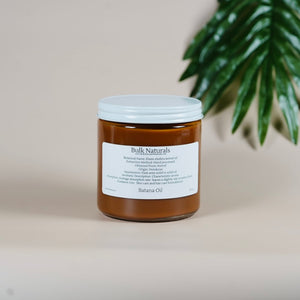
Shop Astaxanthin Liquid Extract 10%
What Is Astaxanthin and Why Does It Matter for Skin?
Astaxanthin is a type of pigment that is produced by a type of microalgae when it is under stress. Unlike other antioxidants like beta-carotene or lycopene, astaxanthin does not become a pro-oxidant in the body, which makes it very safe to use either by mouth or on the skin.
Astaxanthin is great for your skin because it can fight off different types of free radicals at the same time. Most antioxidants only work on one pathway. Astaxanthin works across both the lipid and water phases of the skin's structure, stopping singlet oxygen, superoxide radicals, and hydroxyl radicals at the same time.
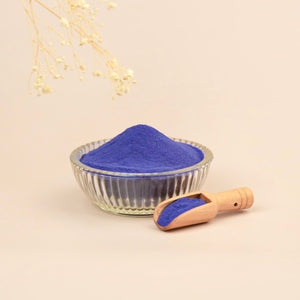
If you like doing DIY beauty products and are into the ingredients in them, the first thing you need to do is find a high-purity astaxanthin powder or extract. Bulk Naturals Wholesale's range of cosmetic actives is a trusted starting point — the collection includes professional-grade antioxidants designed specifically for use in topicals.
Astaxanthin Skin Benefits at a Glance
- Potent antioxidant protection — up to 6,000× stronger than vitamin C in singlet oxygen quenching
- Reduces the appearance of fine lines and deep wrinkles
- Improves skin elasticity and firmness
- Fades hyperpigmentation and evens skin tone
- Defends against UV-induced oxidative damage
- Reduces chronic redness and skin inflammation
- Strengthens the moisture barrier and boosts hydration
Astaxanthin Before and After: A Realistic Week-by-Week Timeline
One of the most common questions people ask before starting any new active ingredient is: how long will it take to actually see results? Honest astaxanthin before and after data suggests that this is not an overnight ingredient — but the changes, when they arrive, tend to be meaningful and lasting.
1-2 Weeks: Subtle Hydration Lift
Most users notice a slight improvement in skin softness and a reduction in the tight, dry feeling associated with dehydrated skin. The barrier-strengthening effects begin quietly at the cellular level. Visible changes are minimal at this stage — patience is key.
3-4 Weeks: Reduced Redness and Improved Glow
Those with redness-prone skin often report the the visible changes during this time. A subtle brightening and glow begin to emerge as an antioxidant protection starts countering daily oxidative damage more effectively.
6-8 Weeks: Visible Brightness and Texture Improvement
Skin tone appears more uniform, the surface feels smoother, and early signs of fine line reduction may appear. Dark spots often start visibly fading around this point as tyrosinase inhibition takes cumulative effect.
10-12 Weeks: Measurable Anti-Aging Results
Most clinical studies run for 8–12 weeks and it is at this endpoint that statistically significant improvements in wrinkle depth, elasticity measurements, and moisture readings are typically recorded.
16+ Weeks: Long-Term Maintenance Sustained Protection
It is recommended that the product be used repeatedly in order to achieve maximum protective and reparative effects. The skin becomes more resilient to environmental stressors, maintains a higher baseline hydration level, and the cumulative reduction in oxidative damage slows the rate of new fine line formation.
How to Use Astaxanthin for Skin: Formulation and Application Tips
Astaxathin can be implemented topically into your skin routine through serum, creams and oils by delivering direct antioxidant protection to the skin surface.
As a fat-soluble compound, astaxanthin disperses most effectively in oil-based or emulsion formulations. Those making their own skincare products should first dissolve astaxanthin powder in a carrier oil, such as rosehip, jojoba or argan oil, before incorporating it into a water-in-oil emulsion.
Carrier Oils That Complement Astaxathin:
- Rosehip seed oil: rich in essential nutrients.
- Sea buckthorn oil: creates a synergistic carotenoid-rich oil base.
- Jojoba oil: closely mimics the skin’s natural sebum.
Make Your Own Astaxanthin Formulation With Bulk Naturals Wholesale
For formulators and brands seeking a reliable source for cosmetic-grade ingredients, Bulk Naturals Wholesale maintains a commitment to quality-verified raw materials. Here at Bulk Naturals Wholesale, we supply powder and liquid astaxanthin extracts that are rich in antioxidants and free from synthetic additives.

Leave a comment